Auto mechanic training: trade school vs community college paths
Comparing two routes into the automotive repair field
For someone looking to start a career as an auto mechanic, the first big decision often comes down to where to train. Two of the most common paths are a dedicated mechanic trade school and a community college automotive program. Both can lead to solid entry-level jobs, but they differ significantly in cost, time commitment, and how they prepare you for the shop floor. Understanding those differences helps you choose the route that fits your situation best.
Time to completion: fast track vs broader schedule
A mechanic trade school is built around getting you through training quickly. Programs are often designed to be completed in a year or less, with a curriculum focused entirely on automotive repair. You spend your days in the shop, learning diagnostic procedures, disassembly, reassembly, and hands-on troubleshooting. There is little to no general education coursework. For someone eager to start earning a paycheck and gaining experience, this speed is a major advantage.
Community college programs tend to run longer, often two years for an associate degree. That timeline includes general education classes such as math, English, and communications alongside the automotive coursework. Some students appreciate the broader education, but it does mean you will spend more time in school before you are ready to work full-time as a technician. If you are balancing a job or family responsibilities, a longer program can be harder to fit into your life.
Cost and debt: what you pay matters
Cost is often the deciding factor. Private mechanic trade schools can be expensive, and many students take out loans to cover tuition and tools. The faster you finish, the sooner you can start earning, but the upfront cost can be a burden. Community college is generally more affordable per credit hour, and when you factor in the ability to live at home or work part-time while attending, the total out-of-pocket expense can be lower. However, because the program takes longer, you may end up paying more in living costs over that extra year.
Some training options are designed to remove the financial barrier entirely. A growing number of nonprofit programs offer what is essentially tuition-free training, meaning you can learn the trade without taking on debt. That kind of arrangement is rare but worth seeking out, especially if you are worried about student loans. When you compare the total cost of each path, remember to include not just tuition but also fees, tools, and the income you give up by being in school instead of working.
Hands-on learning: real cars vs lab exercises
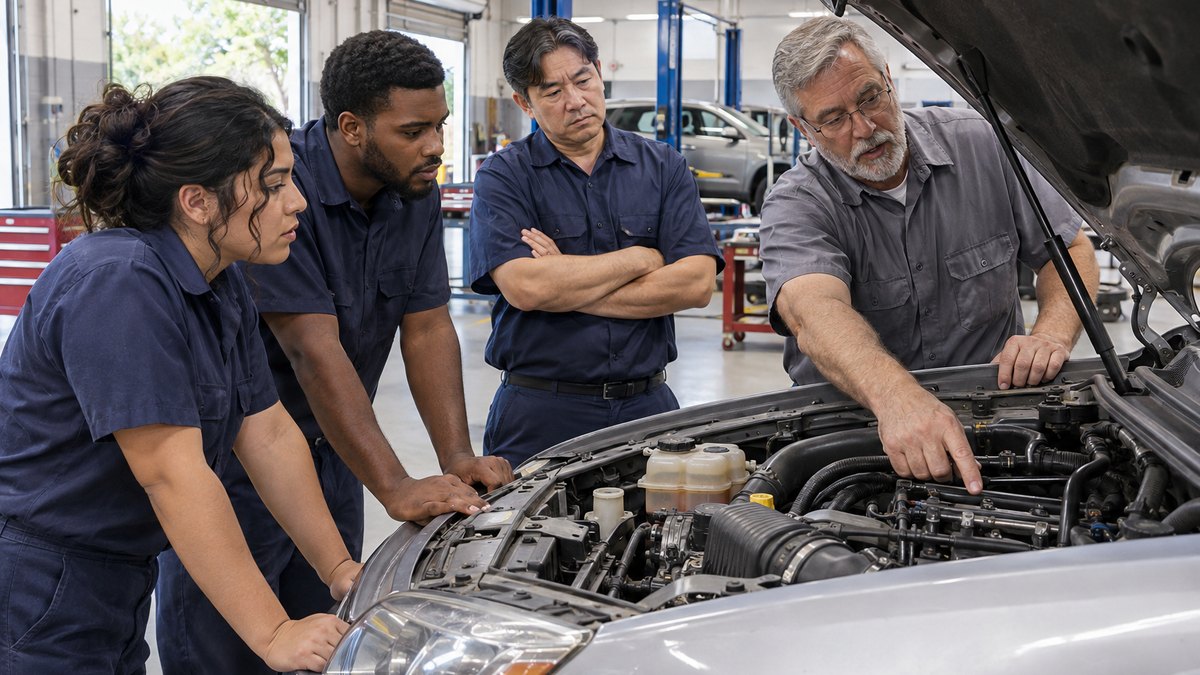
The way you learn matters as much as the cost. In a mechanic trade school, the emphasis is on working with your hands. You are likely to spend most of your time on actual vehicles, performing real repairs under supervision. This approach builds confidence and muscle memory quickly. You learn to diagnose problems by touching and testing, not just by reading about them.
Community college programs often include a mix of classroom theory and shop time. The shop is usually well-equipped, but the ratio of lecture to hands-on work can vary widely. Some programs lean heavily on textbook learning and computer-based training, which is helpful for understanding the theory behind how systems work but may leave you less prepared for the speed of a real repair shop. If you learn best by doing, a program that maximizes shop time is probably a better fit.
Certifications and credentials
Both types of training can prepare you for industry certifications, particularly the ASE (Automotive Service Excellence) exams. A trade school may integrate exam prep directly into the curriculum, so you graduate ready to sit for one or more certification tests. Community colleges often do the same, though the timing may be spread out over the longer program. Employers value ASE certification highly, so whichever path you choose, make sure the program supports you in earning those credentials.
An associate degree from a community college can be useful if you ever want to move into management, teaching, or a related technical field. It also transfers toward a bachelor's degree if you decide to continue your education later. A certificate from a trade school is less portable in that sense, but it is a direct ticket to the work you want to do right now.
Who each option suits best
The right choice depends on your personal circumstances. If you are young, have few financial obligations, and want the most affordable route with a broad education, a community college program might serve you well. You can take your time, build a solid foundation, and leave with a degree that opens other doors down the line.
If you are older, need to start earning as soon as possible, or learn best by doing, a mechanic trade school is likely a better match. The shorter timeline and intense focus on hands-on skills get you into the workforce faster. Just be careful about the cost. A program that offers tuition-free training can make that speed even more attractive, since you avoid debt altogether.
If you are in the Twin Cities area, you have access to a few different options. Some programs are run through local community colleges, while others are offered by nonprofit organizations that focus on serving the community. The key is to visit the facilities, talk to instructors, and ask about job placement rates. A program that places graduates directly with local shops is worth more than one that leaves you to find a job on your own.
What to look for in any program
No matter which path you consider, ask these questions before you enroll:
- How much of the training is hands-on, and what kind of vehicles do you work on?
- Does the program help you prepare for ASE certification, and are exam fees included?
- What is the total cost including tools, books, and fees, and what financial aid is available?
- How long does it take to complete, and what is the schedule (day, evening, or weekend)?
- Can you talk to recent graduates about their experience and job placement?
A program that is transparent about these details is likely a good bet. Avoid any school that pressures you to sign up immediately or that cannot give you clear answers about costs and outcomes.
Making your decision
Both a mechanic trade school and a community college can prepare you for a career as a general service technician. The trade school route is faster and more focused, but it can be expensive. Community college takes longer and includes general education, but it is often cheaper and gives you a degree that holds value beyond the shop. The best choice is the one that aligns with your financial situation, learning style, and career goals. Take the time to research your local options, visit a few programs, and talk to people who have gone through them. That investment in research will pay off when you start your first job as a trained mechanic.
Ends · AUTOMOTIVEEDUCATIONSITE